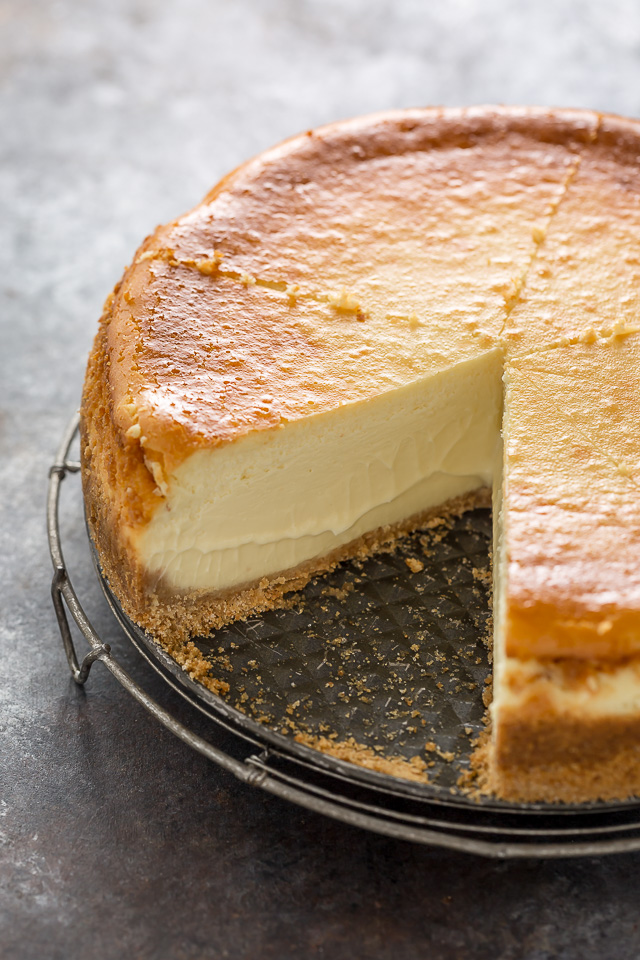
The Pursuit of Perfection: Advanced Techniques for Your Best Cheesecake Recipe
You've likely explored the foundational steps to crafting a delightful cheesecake, perhaps experimenting with classic New York style or delving into essential ingredient selection. But the journey to creating the truly best cheesecake recipe - Article 1 doesn't stop at the basics. This article delves deeper, uncovering advanced techniques, troubleshooting common issues, and exploring exciting variations that will elevate your cheesecake game to a whole new level. Prepare to transform your kitchen into a haven of creamy, dreamy perfection, leaving a lasting impression with every slice.
Beyond the Classic: Exploring Cheesecake Variations and Flavors
While the classic New York-style cheesecake holds a special place in our hearts – with its dense, creamy texture and tangy undertones – the world of cheesecake is vast and wonderfully diverse. True mastery involves understanding how to adapt your skills to create a range of delightful variations. This versatility is key to finding your personal best cheesecake recipe.
- No-Bake Wonders: For those hot summer days or when oven space is limited, no-bake cheesecakes offer a refreshing alternative. They rely on gelatin or chilled cream cheese to set, resulting in a lighter, often mousse-like texture. While they lack the characteristic baked crust and dense richness of their oven-bound cousins, they excel with fresh fruit toppings and delicate flavorings.
- Decadent Baked Flavor Profiles:
- Chocolate Lover's Dream: Incorporate melted dark, milk, or white chocolate directly into the batter for a rich, indulgent treat. Cocoa powder can also be used for a deeper, more intense chocolate flavor.
- Fruity Freshness: Lemon, raspberry, strawberry, and lime cheesecakes are perennial favorites. Zest and juice are commonly folded into the batter, while fruit purees or compotes often serve as vibrant toppings.
- Seasonal Sensations: Pumpkin spice cheesecake shines in the fall, while eggnog or gingerbread variations are perfect for the holidays. Don't be afraid to experiment with seasonal spices and produce.
- Nutty & Caramelized: Salted caramel, pecan, or even espresso-flavored cheesecakes add a layer of sophistication and complex flavor.
- Crust Innovations: The graham cracker crust is iconic, but consider alternatives like crushed Oreos (for a chocolate cheesecake), shortbread cookies, ginger snaps, or even pretzels for a sweet and salty twist. Pre-baking your crust for 8-10 minutes can create a sturdier base that better resists sogginess, a crucial tip often overlooked but integral to the best cheesecake recipe - Article 2 success.
- Regional Inspirations: From the light and airy Japanese cotton cheesecake to the rustic, often ricotta-based Italian cheesecakes, different cultures offer unique takes on this beloved dessert. While these may require entirely different base recipes, understanding their textures and flavor profiles can inspire new directions for your own creations.
The beauty of these variations lies in their ability to cater to different tastes and occasions. Don't be afraid to experiment; sometimes, the truly best cheesecake recipe is one you've adapted and made your own.
Mastering the Water Bath and Other Essential Techniques for a Perfect Cheesecake
Achieving that perfectly smooth, crack-free, and uniformly cooked cheesecake isn't just about the ingredients; it's about technique. These advanced methods are what separate a good cheesecake from an extraordinary one, ensuring a consistently flawless result that truly embodies the best cheesecake recipe.
The Water Bath: Your Secret Weapon Against Cracks
The water bath (bain-marie) is arguably the most crucial technique for a perfectly baked cheesecake. Here's why it's essential and how to master it:
- Why it Works:
- Even Heat Distribution: The water bath creates a moist, even heat environment around the cheesecake, preventing the edges from baking faster than the center.
- Prevents Cracks: It minimizes significant temperature fluctuations, which are a primary cause of cracking. The gentle, consistent heat ensures the cheesecake expands and contracts slowly.
- Creamier Texture: The steam from the water bath adds moisture, contributing to a smoother, creamier, and more custardy texture.
- How to Execute:
- Wrap Your Pan: Tightly wrap the outside of your springform pan with several layers of heavy-duty aluminum foil. Ensure it extends well above the top of the pan to prevent any water seepage.
- Prepare the Roasting Pan: Place the wrapped springform pan into a larger roasting pan.
- Add Hot Water: Carefully pour hot (not boiling) water into the roasting pan, ensuring it comes at least halfway up the sides of the springform pan. Do this once the pan is in the oven to avoid spills.
- Bake Gently: The cheesecake bakes within this steamy environment, leading to a gentle, even cook.
Beyond the Water Bath: Other Critical Techniques
- Room Temperature Ingredients: Always ensure your cream cheese, eggs, and sour cream (if using) are at room temperature. This allows them to blend smoothly and incorporate evenly, preventing lumps and ensuring a homogenous batter.
- Gentle Mixing is Key: Overmixing introduces too much air into the batter. This air expands rapidly during baking, then collapses during cooling, leading to cracks. Mix just until the ingredients are combined and smooth, scraping down the bowl frequently. Use a low speed if using an electric mixer.
- Doneness Test: A perfectly baked cheesecake will still have a slight jiggle in the very center (about a 2-inch diameter) when gently shaken. The edges should be set. It will continue to cook and firm up as it cools.
- Gradual Cooling: Sudden temperature changes are a cheesecake's worst enemy.
- Once baked, turn off the oven and prop the door open slightly, leaving the cheesecake inside for about an hour.
- Remove the cheesecake from the water bath and place it on a wire rack to cool completely at room temperature for another 1-2 hours.
- Finally, refrigerate it, uncovered, for at least 4-6 hours, or preferably overnight, before serving.
Adhering to these techniques will drastically improve the outcome of your cheesecake, moving you closer to consistently producing the best cheesecake recipe.
Troubleshooting Your Cheesecake: Common Issues and How to Fix Them
Even with the best intentions and adherence to techniques, cheesecakes can sometimes present challenges. Knowing how to diagnose and address common issues is a sign of a truly skilled baker, and essential for consistently achieving the best cheesecake recipe. Here's a guide to troubleshooting:
- Problem: Cracked Top
- Causes:
- Too much air incorporated during mixing.
- Oven temperature too high.
- Overbaking.
- Sudden temperature changes during cooling (not cooling gradually).
- Solutions:
- Mix batter gently on low speed, just until combined.
- Always use a water bath to regulate temperature and provide moisture.
- Don't overbake; rely on the "slight jiggle" test.
- Implement gradual cooling (oven door ajar, then counter, then fridge).
- Quick Fix: Hide cracks with generous toppings like fruit, whipped cream, or chocolate ganache!
- Causes:
- Problem: Soggy Crust
- Causes:
- Butter leaking from the crust into the cheesecake batter (rare with proper technique).
- Moisture from the filling seeping into an under-baked or improperly prepared crust.
- Water seeping into the springform pan from the water bath.
- Solutions:
- Pre-bake your crust for 8-10 minutes before adding the filling. This creates a barrier.
- Ensure your springform pan is wrapped *very* tightly with multiple layers of heavy-duty foil for the water bath. Consider placing the wrapped springform in an oven bag for extra protection.
- Press the crust firmly into the pan.
- Causes:
- Problem: Lumpy Filling
- Causes:
- Cream cheese or other dairy ingredients were too cold.
- Not mixing ingredients thoroughly enough.
- Solutions:
- Always bring all dairy and eggs to room temperature before mixing.
- Beat cream cheese on its own until completely smooth before adding other ingredients.
- Scrape down the sides of the bowl frequently during mixing.
- Causes:
- Problem: Sunken Center
- Causes:
- Usually due to being under-baked and removed from the oven too soon before the center has fully set enough to support itself.
- Sometimes, excessive aeration from overmixing can also contribute, leading to collapse.
- Solutions:
- Ensure the cheesecake passes the "slight jiggle" test, indicating it's sufficiently set.
- Avoid overmixing the batter.
- Causes:
- Problem: Tough or Dense Texture
- Cause: Overmixing the batter.
- Solution: Mix only until just combined. Overmixing develops gluten in the flour (if used) and incorporates too much air, leading to a heavier, less custardy texture.
By understanding these common issues and their remedies, you'll be well-equipped to tackle any cheesecake challenge, ensuring your efforts consistently result in the truly best cheesecake recipe.
Presentation and Pairing: Elevating Your Best Cheesecake Recipe
Once you've mastered the baking, the final steps of presentation and thoughtful pairing can truly elevate your cheesecake experience. A beautifully presented dessert, complemented by the right accompaniments, transforms a simple treat into an unforgettable culinary moment. This is where your best cheesecake recipe truly shines.
The Art of Topping and Garnishing
Think of your cheesecake as a blank canvas ready for artistic expression:
- Fresh Fruit Galore: Berries (strawberries, raspberries, blueberries) are classic choices, offering a tart contrast to the rich sweetness. Sliced kiwi, mango, or peaches can add tropical flair. Arrange them artfully or create a colorful medley.
- Decadent Sauces:
- Chocolate Ganache: A glossy, rich chocolate ganache drizzled or spread over the top is always a hit.
- Caramel or Butterscotch Sauce: Adds a sweet, buttery dimension, especially good with apple or pecan cheesecakes.
- Berry Compotes/Coulis: Cooked-down fruit sauces intensify flavor and provide a beautiful color and texture.
- Lemon Curd: A zesty lemon curd is fantastic with plain or vanilla cheesecakes.
- Creamy Indulgences: A dollop of freshly whipped cream, perhaps lightly sweetened or flavored with vanilla, can add a light, airy contrast.
- Textural Delights: Toasted nuts (pecans, walnuts, almonds), chocolate shavings, crushed cookies, or a sprinkle of sea salt can add satisfying crunch and visual appeal.
- Elegant Garnishes: A sprig of fresh mint, a curl of citrus zest, or even edible flowers can add a professional, refined touch.
Serving Tips for the Perfect Slice
Even the best cheesecake recipe can be undermined by poor serving:
- Chill Thoroughly: Always serve cheesecake well-chilled. This not only enhances flavor and texture but also makes it much easier to slice cleanly.
- Hot Knife Technique: For pristine slices, dip a sharp, thin knife into hot water and wipe it dry between each cut. This creates clean edges and prevents sticking.
- Plate with Purpose: Arrange your cheesecake slices on individual plates, adding a drizzle of sauce, a few fresh berries, or a dusting of cocoa powder for an elegant presentation.
Pairing Your Cheesecake
Consider beverages that complement the richness and specific flavors of your cheesecake:
- Coffee & Espresso: A strong cup of coffee or a rich espresso cuts through the creaminess and offers a pleasant bitterness.
- Dessert Wines: Sweet dessert wines like a late-harvest Riesling, Sauternes, or even a Moscato d'Asti can create a luxurious pairing, especially with fruit-flavored cheesecakes.
- Sparkling Wine: A dry Prosecco or Champagne can cleanse the palate beautifully, providing a refreshing contrast.
- Tea: A robust black tea or a calming herbal tea can be a lovely, more understated option.
By giving attention to these final details, you're not just serving a dessert; you're creating an experience, ensuring that your best cheesecake recipe is remembered for every exquisite detail.
Conclusion
From exploring vibrant flavor variations and mastering the critical water bath to troubleshooting common pitfalls and perfecting presentation, the journey to creating the truly best cheesecake recipe is one of continuous learning and delicious experimentation. We've delved into advanced techniques that promise a crack-free, creamy masterpiece every time, offering solutions to common baking woes and inspiring you to think beyond the classic. Remember, the ultimate cheesecake is not just about the recipe itself, but the care, attention to detail, and passion you pour into every step. So go forth, bake with confidence, and delight in the sweet satisfaction of sharing your perfectly crafted cheesecakes with the world.
